06 FUNDING & REVENUE STRATEGIES

Funding and keeping track of finances is vital for British Taekwondo clubs to operate sustainably, grow strategically, and deliver consistent value to their members.
Reliable funding – whether from membership fees, grants, sponsorships, or merchandise sales – enables clubs to cover essential costs like instructor salaries, facility rental, equipment, and marketing.
Just as importantly, tracking income and expenses allows club leaders to manage cash flow, plan for future investments, and make informed decisions about pricing, programming, and expansion.
Clear financial oversight also builds credibility with partners, parents, and potential funders, showing that the club is professionally run and capable of long-term impact. Without sound financial management, even the most passionate and well-intentioned clubs may struggle to survive or grow.
Below, we have made a list of things to consider when managing the finances of your club:
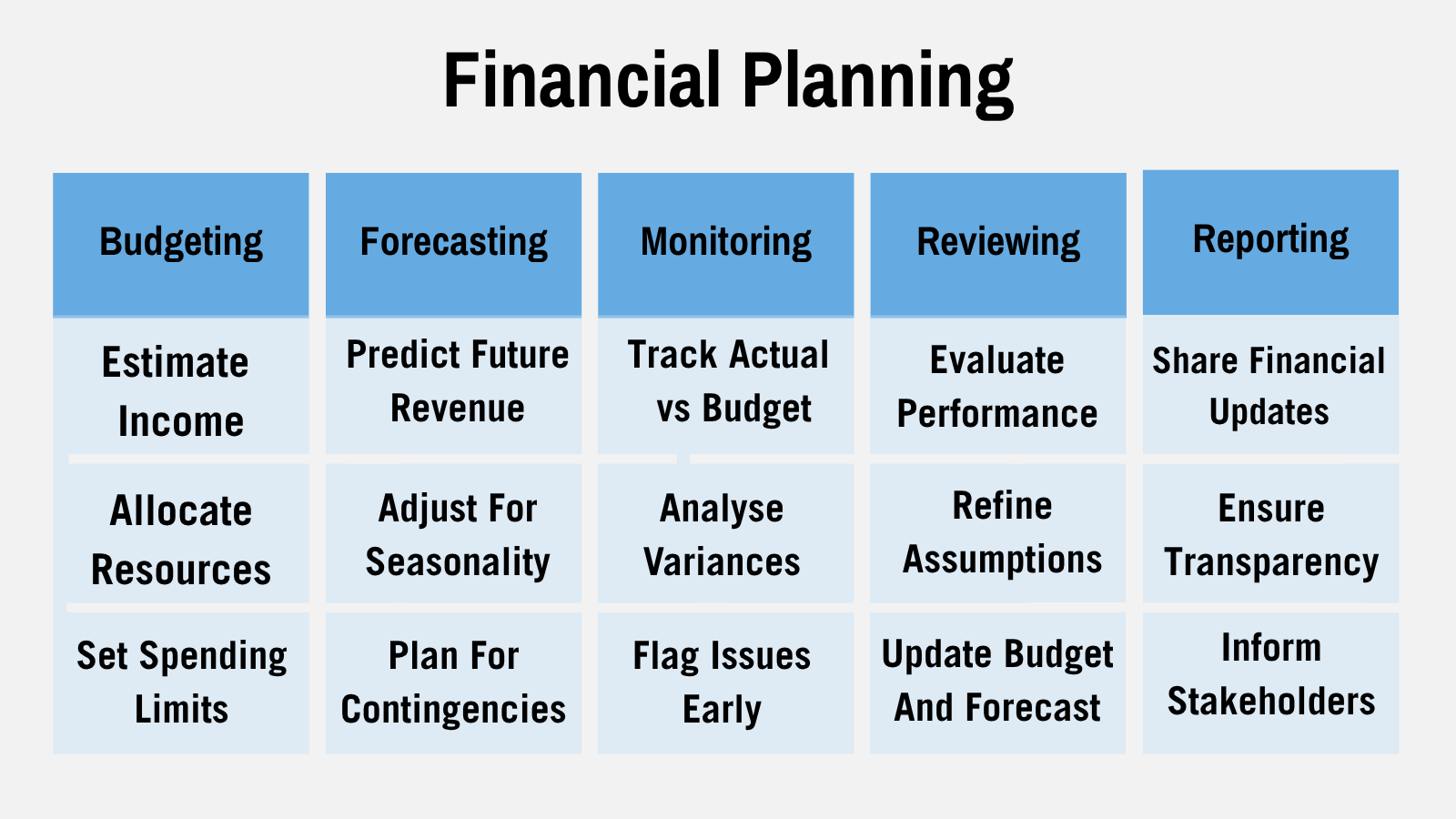
Financial Planning
Budgeting
Accurate income projections help clubs plan confidently, while thoughtful resource allocation ensures funds are prioritised for key areas like instructor pay, venue hire, and equipment.
Setting clear spending limits prevents overspending and allows the club to build reserves or reinvest in development. Together, these practices ensure the club remains financially healthy, adaptable, and capable of delivering consistent, high-quality experiences to members.
Forecasting
Predicting future revenue – while adjusting for seasonality – is crucial for clubs to create realistic financial forecasts and avoid cash flow challenges during slower periods.
Understanding fluctuations – such as changes in attendance during school holidays or summer months – allows clubs to plan accordingly, ensuring they have enough funds to cover expenses year-round.
Additionally, building contingencies into financial plans helps clubs prepare for unexpected costs or changes in membership, providing stability and resilience. This proactive approach supports sustainable growth and helps the club navigate uncertainties with confidence.
Monitoring
By regularly comparing income and expenses against projections, clubs can quickly identify where they are overspending or underperforming.
Early detection of discrepancies allows leaders to adjust strategies, control costs, and avoid cash shortfalls. This proactive financial monitoring ensures the club stays on track to meet its goals while building trust with members, parents, and partners through responsible management.
Reviewing
Regular reviews allow clubs to assess what’s working, identify trends, and adjust projections based on real-world outcomes. By refining assumptions – such as membership growth or marketing returns – clubs can make more accurate, informed decisions.
Updating budgets accordingly ensures resources are directed where they’re most needed, supporting long-term stability and continuous improvement in service delivery and club operations.
Reporting
Regular reporting on the club’s financial status – whether to parents, volunteers, sponsors, or governing bodies – demonstrates accountability and professionalism.
Transparent communication helps stakeholders understand how funds are being used to support the club’s mission, reinforces confidence in leadership, and encourages continued support through memberships, donations, or partnerships.
Open financial reporting also fosters a sense of shared responsibility and community involvement in the club’s success.

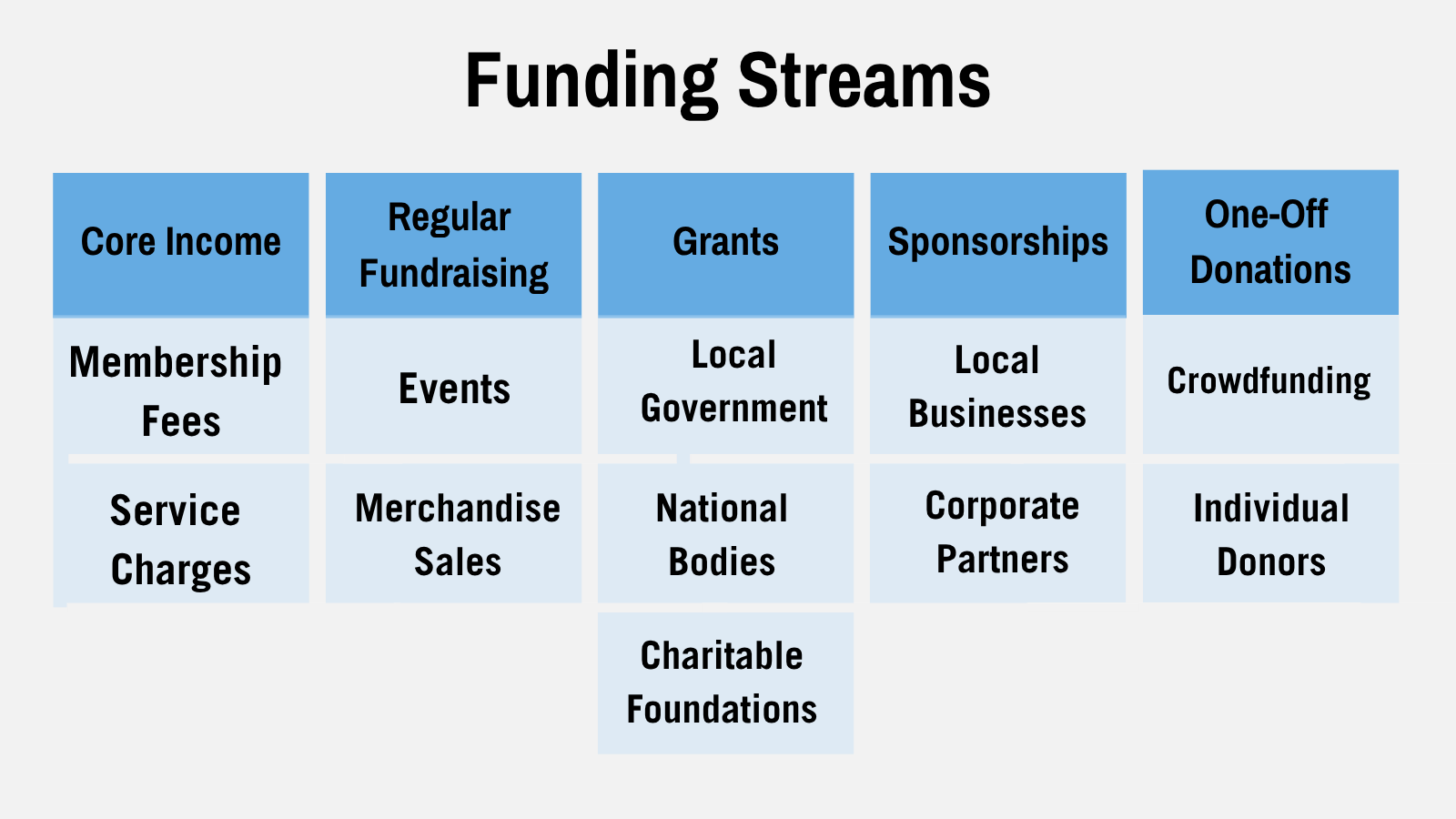
Funding Streams – Click here for more information on funding
Core Income
The core income of a British Taekwondo club typically comes from membership fees and service charges, forming the financial backbone of day-to-day operations.
Monthly subscriptions provide a steady and predictable revenue stream, helping cover essential costs such as instructor wages, facility hire, and equipment.
Additional service charges – for private lessons, grading fees, or specialised programmes – offer supplementary income that supports growth and reinvestment. Maintaining a strong, consistent member base is therefore vital to the club’s financial health and long-term sustainability.
Regular Fundraising
Extra income for a club often comes from events and merchandise sales, providing valuable financial support beyond core membership fees.
Belt gradings, tournaments, and showcase events not only engage the community but also generate additional revenue through participation fees and ticket sales.
Similarly, selling branded merchandise – such as uniforms, belts, bags, and sparring gear – boosts club identity while creating a profitable income stream. This supplementary income helps fund club improvements, subsidise costs for lower-income members, and support long-term growth initiatives.
Grants
Grants from local government, national sports bodies, and charitable foundations can provide vital financial support to British Taekwondo clubs, especially for community outreach and development initiatives.
These funds can help cover costs for equipment, facility upgrades, instructor training, or inclusive programmes targeting underrepresented groups.
By reducing the reliance on membership fees alone, grants enable clubs to expand access, offer subsidised places, and deliver greater impact within the community. Securing grant funding also boosts the club’s credibility and opens doors to new partnerships and growth opportunities.
Click here for more information on funding
Sponsorship
Sponsorships from local businesses and corporate partners can provide valuable financial and in-kind support for British Taekwondo clubs, helping to fund events, equipment, and community programmes.
In return for visibility – such as logo placements on uniforms, banners, or promotional materials – sponsors gain positive exposure while aligning with a club that promotes confidence, discipline, and youth development.
These partnerships not only ease financial pressure but also strengthen the club’s presence in the local community, creating lasting relationships that benefit both the sponsor and the club’s long-term success.
One-off Donations
One-off donations from crowdfunding campaigns or individual donors can provide a crucial boost for Taekwondo clubs, especially when funding specific needs like new equipment, venue improvements, or subsidised places for disadvantaged students.
These contributions often come from supporters who value the club’s positive impact on the community and want to be part of its growth. While not a regular income source, one-off donations can help bridge funding gaps, kickstart new initiatives, and demonstrate strong community backing, which can also strengthen future grant and sponsorship applications.