
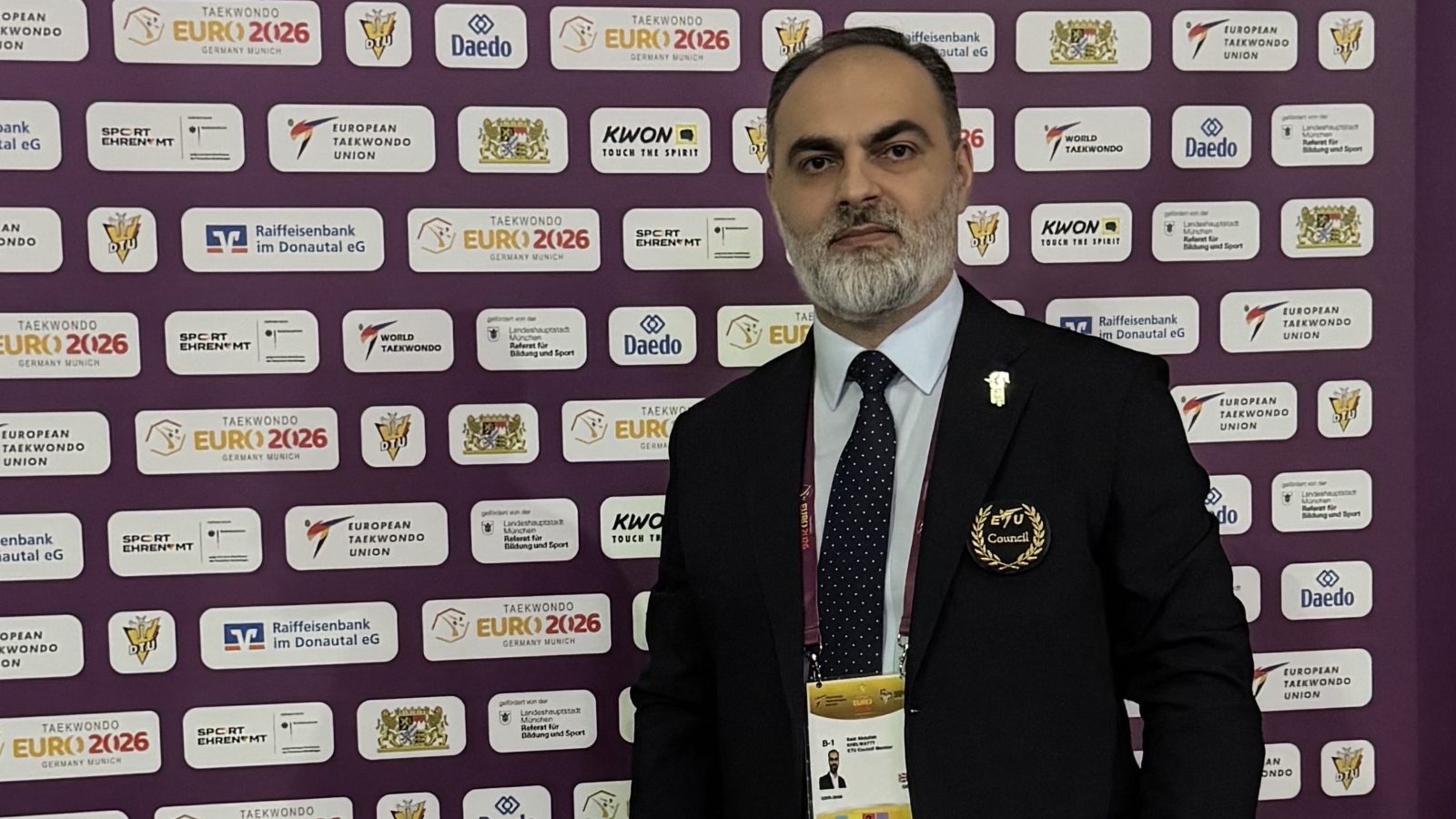
Dr Said Khelwatty is preparing to take on the role of President of British Taekwondo, bringing nine years of Board experience and a commitment to turning organisational progress into greater opportunities for the Taekwondo community.
His proposed appointment follows Sarah Stevenson-Jennings MBE OLY’s decision not to stand for a third term after six years as President. Subject to approval at the Annual General Meeting on Saturday 21 November 2026, Said would serve for 12 months, providing continuity while British Taekwondo reviews the future purpose and responsibilities of the role.
The appointment would build on the progress made during Sarah’s presidency. For Said, it is also an opportunity to look ahead: supporting clubs and instructors, creating opportunities for athletes and strengthening British Taekwondo’s contribution nationally and internationally.
Having helped guide the organisation as a Non-Executive Director through a period of considerable change, he believes the foundations are in place to take that work further.
Reflecting on nine years of progress
“We’ve achieved quite a lot in the past nine years”, Said reflects, looking back on the development of British Taekwondo’s people, governance and working relationships.
When he joined the Board, the organisation operated with a much smaller staff team and a different range of resources and expertise. The Board now draws on a broader range of professional experience, while an expanded staff team gives British Taekwondo greater capacity to support members and deliver its programmes.
These changes have helped the organisation become more sustainable and better equipped to respond to the needs of its community. Said recognises that this progress has been a collective effort. Board members, staff, technical departments, volunteers and clubs have all contributed to shaping the organisation over the past decade.
Strengthening governance has been central to that journey. Meeting the requirements of Tier 3 of the Code for Sports Governance helped establish the accountability, oversight and organisational standards needed to support future development.
For Said, that work has provided a foundation on which British Taekwondo can continue to build. The next step is to ensure that the same ambition and attention are reflected in the opportunities available to those teaching, practising and competing in Taekwondo.
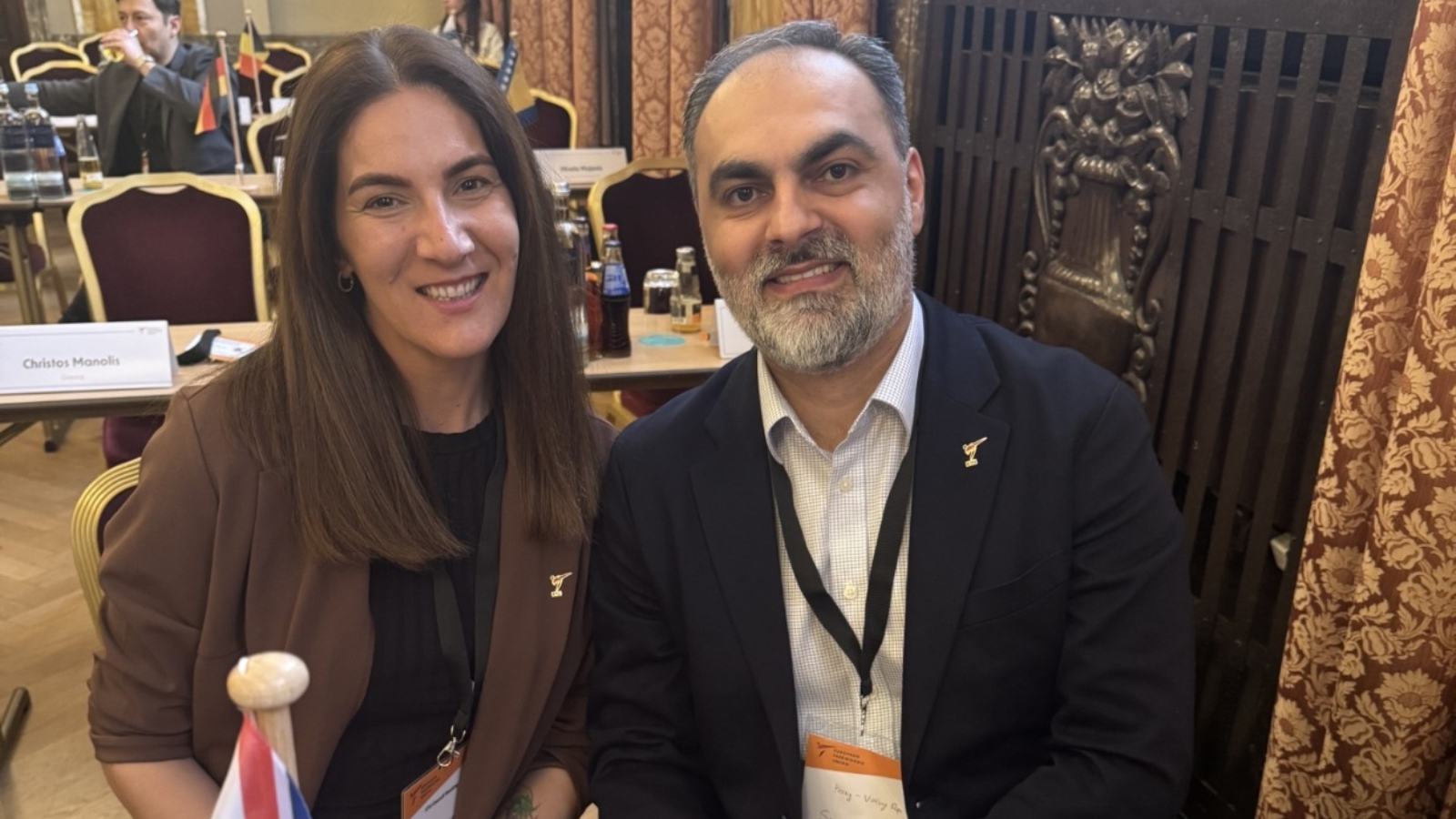
Stronger partnerships and practical support
The development of British Taekwondo’s relationship with Sport England has been particularly significant. Said sees the closer working relationship and additional investment as a reflection of growing confidence in the organisation’s governance, collaborative approach and ability to deliver meaningful outcomes.
That investment has helped British Taekwondo strengthen support for affiliated clubs, develop education and training opportunities, and help more people access the benefits of Taekwondo.
For members, the value of these partnerships is found in practical support: opportunities to develop their knowledge, build sustainable clubs and create positive experiences for participants.
The COVID-19 pandemic demonstrated why that support matters. Clubs and instructors faced sudden closures, disrupted training and a loss of income, while students lost access to an important part of their routines and communities.
British Taekwondo responded with online sessions and workshops, helping instructors adapt, exchange ideas and maintain contact with their students. Said regards this as an important example of the organisation supporting its community during a period of uncertainty.
Another milestone has been recognition by the five UK Sports Councils: Sport England, Sport Scotland, Sport Wales, Sport Northern Ireland and UK Sport. Recognition of British Taekwondo as the governing body for Olympic and Paralympic World Taekwondo disciplines across the UK provides a stronger platform for its work.
It also reinforces the importance of collaboration with partners and other Taekwondo styles to support participation, accessibility and grassroots development.
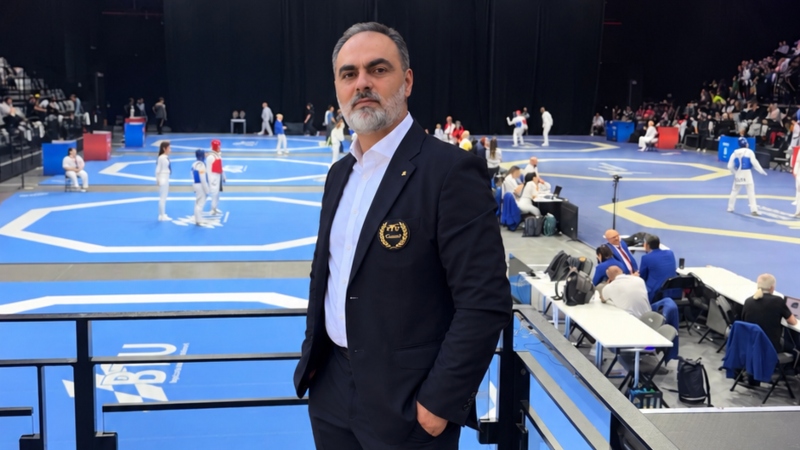
Putting Taekwondo at the centre of the next chapter
With stronger organisational foundations in place, Said wants the next phase of development to place greater emphasis on Taekwondo itself.
His priorities include supporting clubs and instructors, strengthening opportunities for athletes and ensuring British Taekwondo has an effective voice in national and international discussions.
Alongside his Board experience, Said’s work as a coach and club leader gives him a direct connection to the everyday realities of delivering Taekwondo. He understands the commitment involved in running classes, developing students and helping participants with different needs and ambitions find their place in the martial art.
That perspective informs his approach to leadership. Organisational progress should be reflected in the experience of members, whether they train for enjoyment, teach in a local club, volunteer at events or pursue international competition.
He sees this as work to be undertaken together, drawing on the knowledge of staff, technical departments, coaches, officials and athletes. Listening to those experiences will be an important part of identifying where British Taekwondo can make the greatest difference.
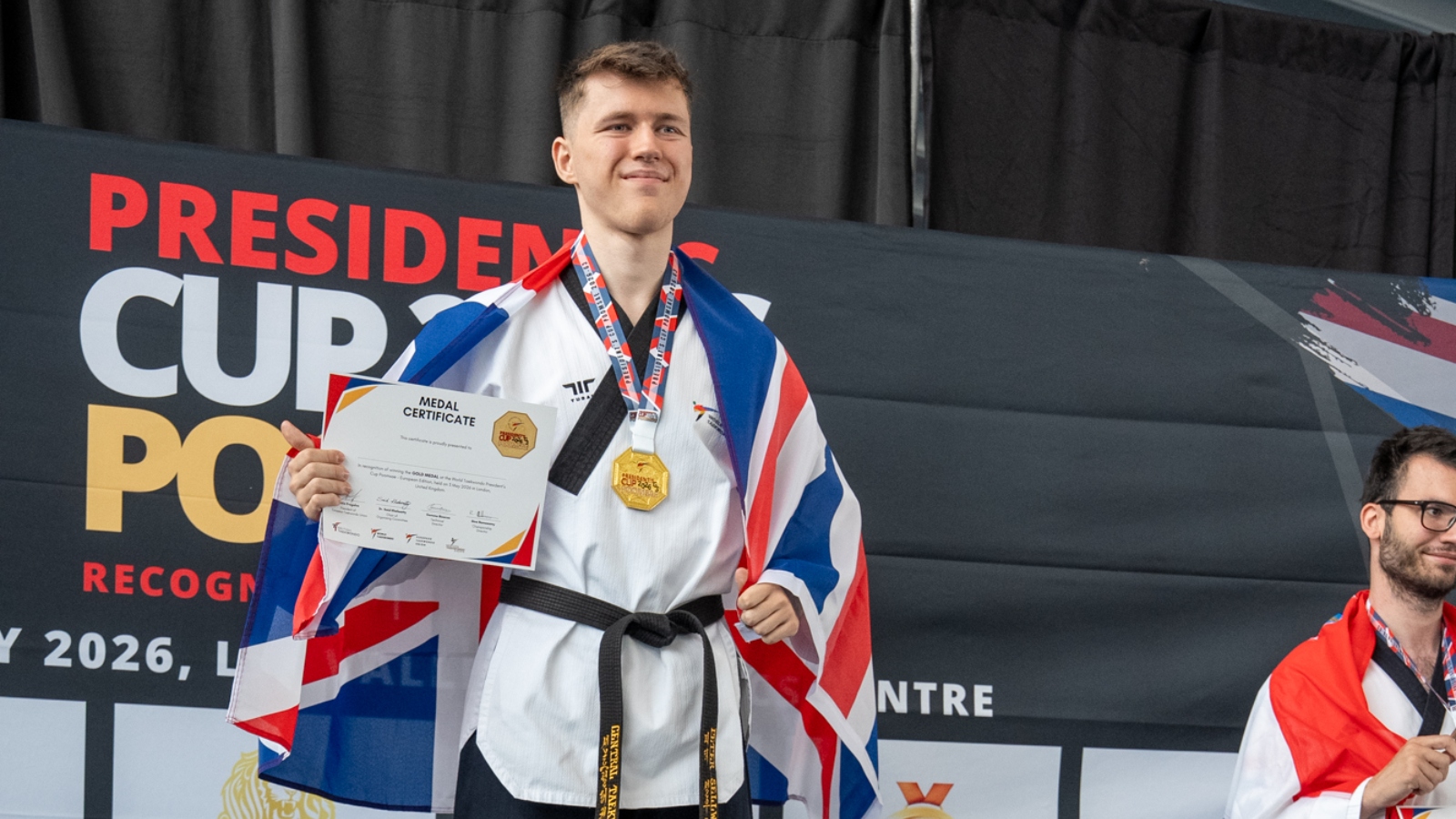
Bringing international opportunities closer to home
Said’s involvement in bringing major international Poomsae competition to London earlier this year provides a practical example of that ambition.
He helped drive the delivery of the London Open Poomsae G-1, Para Poomsae G-2 and President’s Cup Poomsae G-3, bringing the events together for a landmark week of competition in the UK.
For British athletes, the events created opportunities to compete internationally and pursue ranking points on home soil, reducing the need to travel overseas to access those opportunities.
They also brought athletes, coaches and officials together from different countries, showcasing the UK’s Poomsae community and strengthening its international connections.
For Said, hosting such events is part of a wider ambition to build on British Taekwondo’s history of contributing to the sport’s development. That includes its involvement in the evolution of Grand Prix competition and initiatives that have helped create opportunities within Para Taekwondo.
He wants the organisation to continue contributing ideas, championing athletes and supporting developments that benefit the wider Taekwondo community.
Building influence through international collaboration
Said’s experience extends beyond the British Taekwondo Board. He is a Council Member of the European Taekwondo Union and has held leadership responsibilities in nominations, education and applied science.
He also serves as a World Taekwondo Educator and Technical Delegate, contributing to education and competition delivery internationally. His previous positions include Chair of the European Taekwondo Union Para Taekwondo Committee and Chair of the World Taekwondo Para Taekwondo Poomsae Committee.
These roles have given him experience of working across countries, committees and different areas of the sport. They have also reinforced his belief that lasting progress depends on constructive relationships and a willingness to share expertise.
Said sees being “an ambassador for British Taekwondo internationally” as an important part of the presidency. He wants to build on the organisation’s existing relationships within European Taekwondo while developing closer collaboration with World Taekwondo.
His ambition is for British Taekwondo to remain an active contributor to international discussions, with the experience of British athletes, coaches, officials and clubs helping inform the sport’s future.
He recognises that many people across the British Taekwondo community already contribute to this work. Supporting their efforts and creating further opportunities for collaboration would be an important part of his approach.
Listening to the community and looking ahead
Subject to AGM approval, Said would enter the presidency with an appreciation of the work already undertaken and a clear sense of the opportunities ahead.
His proposed 12-month term would combine continuity with a focus on development: supporting the organisation as it considers the future of the President’s role, while helping translate its progress into meaningful benefits for members.
After nine years on the Board, he sees the presidency as an opportunity to continue serving the community, support the work of others and represent British Taekwondo with purpose and pride.
At the heart of that approach is his commitment to being “a strong voice for the community”, listening to members and helping ensure that their experiences and ambitions remain central to British Taekwondo’s future.


Leave A Comment
You must be logged in to post a comment.