
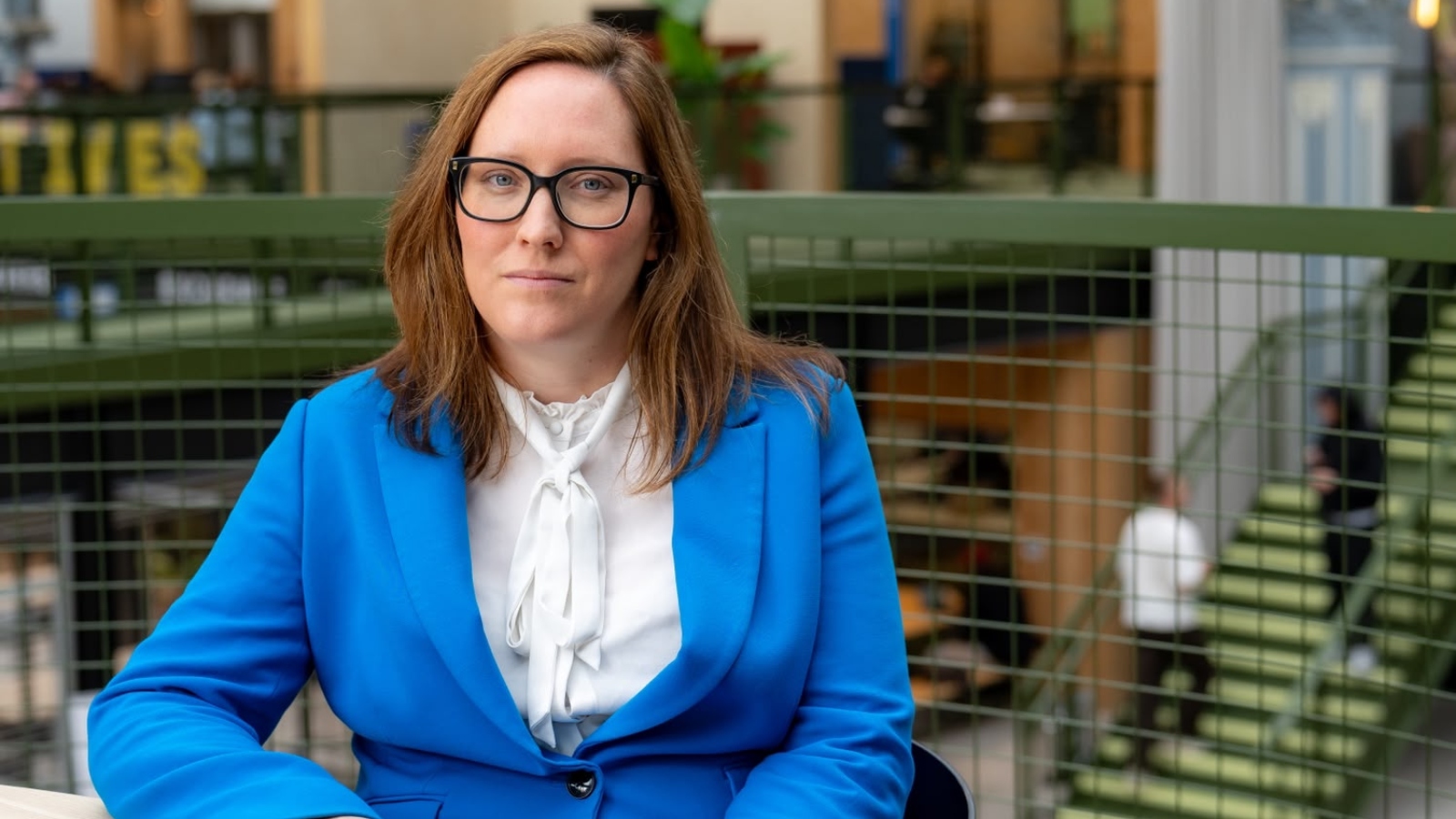
With Dr Lucy Walton joining the British Taekwondo Board as a Non-Executive Director, we took the opportunity to learn more about the person behind the appointment and the perspective she brings to the role.
In this Q+A, Lucy discusses her connection to Taekwondo, the experiences that have shaped her journey and the areas she is keen to contribute to as a member of the Board, while sharing her thoughts on the opportunities ahead and how she hopes to support British Taekwondo and its members.
Could you introduce yourself to the British Taekwondo community and tell us about your experience in Taekwondo?
My journey in Taekwondo began when I was 15. What started as an activity to help manage the pressures of school quickly became much more than a hobby. I went on to compete internationally across Europe, gaining experience and friendships that have stayed with me ever since.
When I moved to Manchester to complete my PhD, I saw an opportunity to give something back to the sport. Alongside Danyal Mirzaie, who also competed internationally, I co-founded Taekwondo Machine. Over the past decade, we’ve grown the club into a thriving community, supporting everyone from young beginners taking their first steps in the sport to athletes competing internationally.
Having experienced Taekwondo as both an athlete and a club owner, I’ve seen first-hand the opportunities it creates and the positive impact it can have on people’s lives.
What attracted you to joining the British Taekwondo Board, and what motivated you to take on the role?
Having been involved in Taekwondo for over two decades, I’ve seen the positive impact the sport can have on individuals, families and communities. I believe there is enormous potential to extend that impact by helping more people discover Taekwondo and supporting the clubs and coaches who make those opportunities possible.
I’m particularly interested in the role sport can play in improving physical and mental wellbeing, bringing people together and creating opportunities for people to develop skills, confidence and even future careers.
Through my experience in business and running a club, I also recognise the opportunities to strengthen how we support our members and develop the organisation. Joining the Board is an opportunity to combine my professional experience with something I care deeply about and contribute to the long-term success of the sport.
What skills, experience and perspectives do you bring to the Board?
I bring a combination of experience in sport, research and business leadership, alongside a practical understanding of running a Taekwondo club.
My academic background spans sport and exercise sciences, physiology and cardiovascular medicine and I hold a PhD from The University of Manchester. I’ve subsequently worked across research, technology and business, including leading organisations and developing innovative solutions to complex challenges.
I’m particularly interested in how we use evidence, data and technology to make better decisions, improve organisational effectiveness and create meaningful impact.
I also understand the day-to-day realities of running a club, from supporting coaches and developing athletes to managing operational and financial challenges. This combination of perspectives will allow me to contribute both strategic thinking and a practical understanding of how Board decisions affect our members.
How do you see AI and technology shaping the future of education, and are there opportunities for British Taekwondo to use these tools in the future?
Through my work in education and technology, I’ve seen how AI can help organisations work more effectively, reduce administrative demands and make better use of the information available to them.
I believe there are similar opportunities within sport. For British Taekwondo, technology could help simplify processes, improve communication and make it easier for clubs and members to access the support they need.
It could also help us better understand participation trends, identify opportunities for growth and develop stronger relationships with schools, local authorities and other partners.
However, technology should always serve a clear purpose. For me, the priority is not introducing AI for its own sake, but using the right tools responsibly to deliver practical improvements and better value for our members.
What do you see as the biggest opportunities for British Taekwondo over the next few years?
I believe one of the biggest opportunities is to build on the strength of our existing clubs and coaches to introduce Taekwondo to more people and communities.
Taekwondo has so much to offer beyond competitive success. It supports physical and mental wellbeing, develops confidence and discipline and creates a sense of belonging. There is real potential to strengthen our relationships with schools, community organisations and local authorities to make these benefits more accessible.
I also see opportunities to support clubs to become more sustainable, develop the next generation of coaches and officials and create clearer pathways for young people who want to build a future within the sport.
Ultimately, I believe the opportunity is not simply to grow membership, but to strengthen the foundations of Taekwondo so that more people can participate, progress and benefit from everything the sport has to offer.
How will you make sure that the views and experiences of members help inform Board discussions and decisions?
Having run a club for over 15 years, I understand how important it is that decisions made at national level reflect the realities experienced by our clubs, coaches and members.
I believe effective decision-making starts with listening, understanding different perspectives and using that feedback alongside evidence to identify where improvements are needed.
I also think it is important that we continually evaluate how well our systems, services and initiatives are working in practice, rather than assuming they are delivering the intended benefits.
As a Board member, I will bring that practical perspective to discussions while supporting a culture or openness, accountability and continuous improvement. Ultimately, members should feel their experiences are valued and that the organisation is committed to delivering meaningful progress.
What would success look like for you in this role, and how would you hope members see the impact of your work?
For me, success would mean seeing British Taekwondo grow as an organisation that delivers meaningful value to its member and creates opportunities for more people to benefit from the sport.
I would like to see more people participating in Taekwondo, clubs feeling well supported and equipped to grow, and clear development opportunities for athletes, coaches, officials and volunteers.
I also believe success should be reflected in the quality and consistency of the services we provide, from everyday membership processes to the organisation and delivery of training, events and competitions.
Ultimately, I would hope members see the impact through their own experiences: stronger clubs, better opportunities and an organisation that listens, learns and continually improves.
Finally, what message would you like to share with the British Taekwondo community as you begin your time on the Board?
Taekwondo has been an important part of my life for more than two decades, and I feel privileged to have the opportunity to contribute to its future in this capacity.
Having experienced the sport as an athlete and club owner, I know how much time, energy and commitment goes into creating the opportunities our members enjoy. Behind every club, competition and achievement are coaches, volunteers, officials, and families who give so much to our community.
I believe we have an exciting opportunity to build on those foundations, strengthen the support we provide and help more people experience the benefits of Taekwondo.
I’m looking forward to listening, learning and working alongside others to help British Taekwondo realise that potential.




Leave A Comment
You must be logged in to post a comment.